Finding the Right All In One Exteriors for Professional Roofing Work
Finding the Right All In One Exteriors for Professional Roofing Work
Blog Article
Comprehensive Exterior cladding and Roof Solutions for Your Property
Thorough exterior solutions are crucial in improving a home's overall value and curb appeal. By offering a selection of materials, property owners can pick options that match both their preferences and budget. Professional installation and consistent upkeep are vital for durability. Yet, many ignore the important factors that influence decisions and costs. Understanding these factors can enable smart choices about upgrades and maintenance work. What alternatives are available to optimize both performance and style?
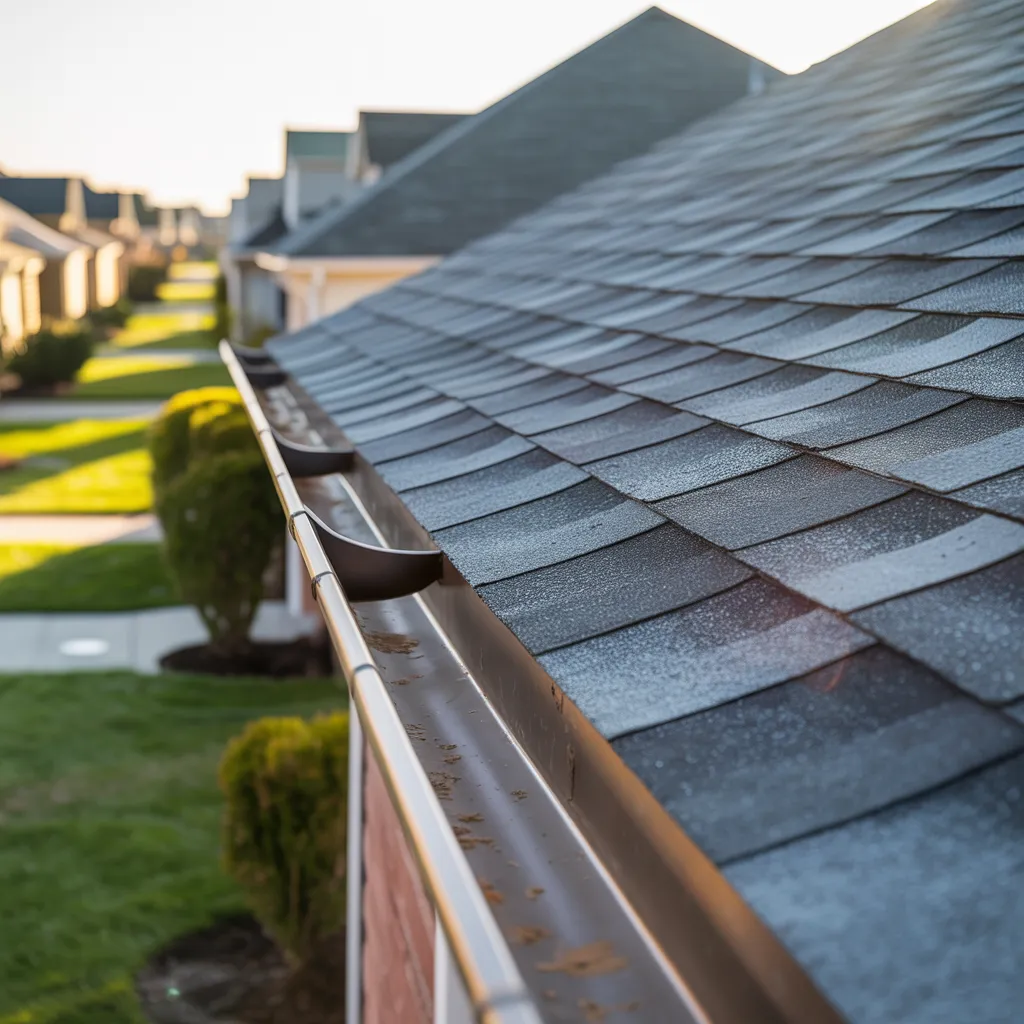
What Exterior cladding Choices Work with Your Home?
When assessing siding options for a home, which materials best enhance both aesthetics and durability? Homeowners often explore a range of products, each providing unique advantages. Vinyl siding stays a popular choice due to its affordability, low maintenance, and variety of colors. Alternatively, fiber cement siding provides outstanding durability, able to resist harsh weather while mimicking the appearance of wood or stucco. For those seeking a more traditional look, wood siding offers a elegant option but requires regular upkeep to avoid decay. Metal siding, including aluminum or steel, offers a modern aesthetic paired with resistance complete guide against the elements. Additionally, brick and stone veneer can boost a home's visual charm while offering substantial thermal protection. Ultimately, the choice of siding should reflect the homeowner's design preferences, budget, and long-term longevity needs, guaranteeing a balance between visual appeal and function.
Why Quality Roofing Matters for Your House
Quality roofing serves a crucial function in protecting a home against the elements and enhancing its overall value. A sturdy roof protects against water infiltration, which can lead to mold growth, structural damage, and costly repairs. Additionally, high-quality materials enhance thermal performance, reducing heating and cooling costs while maintaining a comfortable indoor environment.
Furthermore, a well-preserved roof enhances the visual appeal of a property, rendering it more desirable to prospective buyers. Homeowners who invest in premium roof materials often observe that it increases their home's resale value, offering a strong return on investment.
Moreover, a trustworthy roof can resist harsh environmental elements, guaranteeing longevity and tranquility. Routine upkeep and inspections are essential to extending its durability and detecting problems beforehand. Ultimately, selecting premium roofing materials is a fundamental aspect of proper property ownership, offering safeguard and improving the structural quality of the property.
How Expert Installation Affects Operation and Appearance
Expert installation impacts both the appearance and performance of roofing systems. When a roof is installed by professionals, it ensures that all materials are correctly positioned and fastened, reducing the risk of leaks and structural issues. Accurate installation methods improve the roof's longevity, allowing it to withstand harsh weather conditions and extend its lifespan.
Furthermore, the aesthetics of a property are significantly impacted by how effectively the roofing is put in place. Uneven shingles or misaligned panels can diminish a residence's visual appeal, while a professionally installed roofing system complements the architectural design. Additionally, experienced professionals are proficient in selecting the appropriate products and treatments that enhance both performance and design.
Picking Siding and Roofing for Superior Environmental Sustainability
Determining the most appropriate siding and roofing materials is fundamental for enhancing energy efficiency in a home. Insulated siding, for example, can substantially reduce heat loss during winter months, while reflective roofing materials can help keep homes cooler in summer. Materials such as fiber cement and vinyl offer fine durability and insulation properties, making them suitable choices for energy-conscious homeowners.
Moreover, the color of roofing plays a critical role; light colors reflect sunlight, resulting in lower cooling costs. The use of energy-saving windows and proper sealing around the siding and roofing can further improve a home's heat efficiency.
Selecting supplies with elevated R-values assures better heat retention, and options like metal roofing can present longevity and reflective capacity. Ultimately, a wise pick of exterior materials and roof systems supports energy savings but likewise elevates living space comfort. Placing capital in efficient energy systems generates long-term gains for both the environment and homeowners.
Methods to Detect When Siding or Roofing Needs Maintenance?
Spotting the need for siding or roofing repair is necessary for maintaining a home's integrity. Homeowners should search for apparent damage indicators, such as cracks or warping, in addition to warning signs of water leakage, which can lead to more severe issues. Additionally, the age and ordinary deterioration of materials can signal when repairs are necessary to avoid costly replacements.
Visible Damage Signs
Visible damage on siding or roofing can greatly jeopardize the structure of a home. Homeowners should frequently check their outside surfaces for indications of wear and tear. Fissures, bending, or peeling paint on cladding may indicate deterioration, while absent or damaged roof tiles can leave roofs to additional environmental effects. Additionally, discoloration or fungal presence can indicate underlying issues. Loose or sagging materials are also warning signs, suggesting that repairs are necessary. In severe situations, homeowners may observe openings or holes that could permit insects access. Identifying these visible damage signs quickly can prevent more severe and costly restorations down the line, making sure the home remains protected against severe weather and maintaining its overall aesthetic appeal.
Water Leak Indicators
Recognizing the urgency of water leakage indicators is necessary for maintaining the quality of siding and roofing. Homeowners should remain watchful for several clues that may signal potential issues. Stains on interior walls or ceilings often indicate hidden leaks, while peeling paint or wallpaper may indicate moisture intrusion. Additionally, the presence of mold or mildew around windows and doors can point to damaged siding. On the exterior, warped or buckling materials may signal water damage. Puddles near the foundation or damp spots in the attic can also serve as critical indicators. Regular inspections for these signs can help homeowners resolve problems promptly, preventing more extensive damage and costly repairs. Awareness of these indicators promotes proactive maintenance.
Aging and Wearing down
Homeowners must recognize the symptoms of aging and deterioration in siding and roofing to maintain their property’s longevity. Typical symptoms such as curling, cracking, or fading of shingles and panels show deterioration. It is important to look for any loose or missing materials as these can leave the underlying structure vulnerable to moisture and pests. The build-up of mold or mildew may indicate water retention, which indicates possible damage. Additionally, checking flashing around chimneys and vents for rust or gaps is crucial. Consistent examinations, notably post severe weather, assist in early detection of problems. Addressing these concerns promptly can avoid expensive remediation and increase the lifespan of siding and roofing systems.
Planning Your Budget for Siding and Roofing Upgrades: Critical Considerations
What approaches can homeowners use to successfully manage expenses for siding and roofing upgrades? First, they should examine the present condition of their property to determine the magnitude of needed repairs or replacements. Obtaining quotations from numerous service providers provides a more transparent view of costs, allowing for educated evaluations. Homeowners should also account for material choices, as options extend from affordable vinyl to higher-end cedar or metal siding.
In addition, it is necessary to factor in labor costs, which can vary substantially depending on regional rates and project complexity. Setting aside a safety net fund for unforeseen expenses is prudent, as concealed issues often occur during renovations.
Ultimately, examining financing alternatives or seasonal discounts can help alleviate the financial strain. By reviewing these key considerations, homeowners can establish a practical budget plan that guarantees their siding and roofing upgrades are both effective and financially sustainable.
Typically Asked Questions
What is the standard lifespan of Siding and Roofing Materials?
Siding materials generally endure between 20 to 40 years, depending on the type, while roofing options can range from 15 to 50 years. Factors such as upkeep and weather conditions greatly affect their lifespan.
Which Coverage Options Can You Access for Siding and Roofing Materials?
Various warranties for siding and roofing products include warranties from manufacturers, which typically last 50 to 20 years, and labor warranties, often covering installation for 1 to 10 years, ensuring protection against improper installation and defects.
Can I Put in Roofing or Siding Myself?
Yes, individuals can install roofing or siding independently, provided they possess the necessary tools and expertise. However, it's vital to factor in codes and regulations and conceivable dangers involved in such work.
How Do Weather Conditions Impact Siding and Roofing Selections?
Climate factors substantially influence siding and roofing options. Severe temperatures, humidity, and precipitation levels establish material durability and insulation properties, leading homeowners to pick options that guarantee longevity and performance in their specific climate.
What Care Is Required for Siding and Roofing?
Preventive maintenance for siding and roofing encompasses spotting problems, clearing waste, sealing spaces, and repainting as indicated. Scheduled inspections maintain structural integrity and performance, avoiding substantial repairs and elevating the property's overall look.
Report this page